Chapter One: The traveler I had almost forgotten
Before I can talk about meeting yerba mate, there is a formative experience I have to tell you about.
It happened in the Amazon, in South America, and it is the reason I came to truly believe that plants hold a power beyond human understanding.
At the time, I was working as a salesman at a real estate company, and out of nowhere a message came from my friend Ryoma.
“Let’s go to the Amazon and study with a shaman.”
South America is far. A month, at the very least. It was abrupt, and by any ordinary standard an unreasonable thing to ask. And yet something in me answered instantly: “I want to go.”
I was a traveler to begin with. At twenty-nine I went to Cebu for language school. I fell in love at first sight with a teacher I met there, gave up my life in Japan without much hesitation, and moved to be near her (that woman is my wife now, and eleven years later she is still the reason people call me a devoted husband).
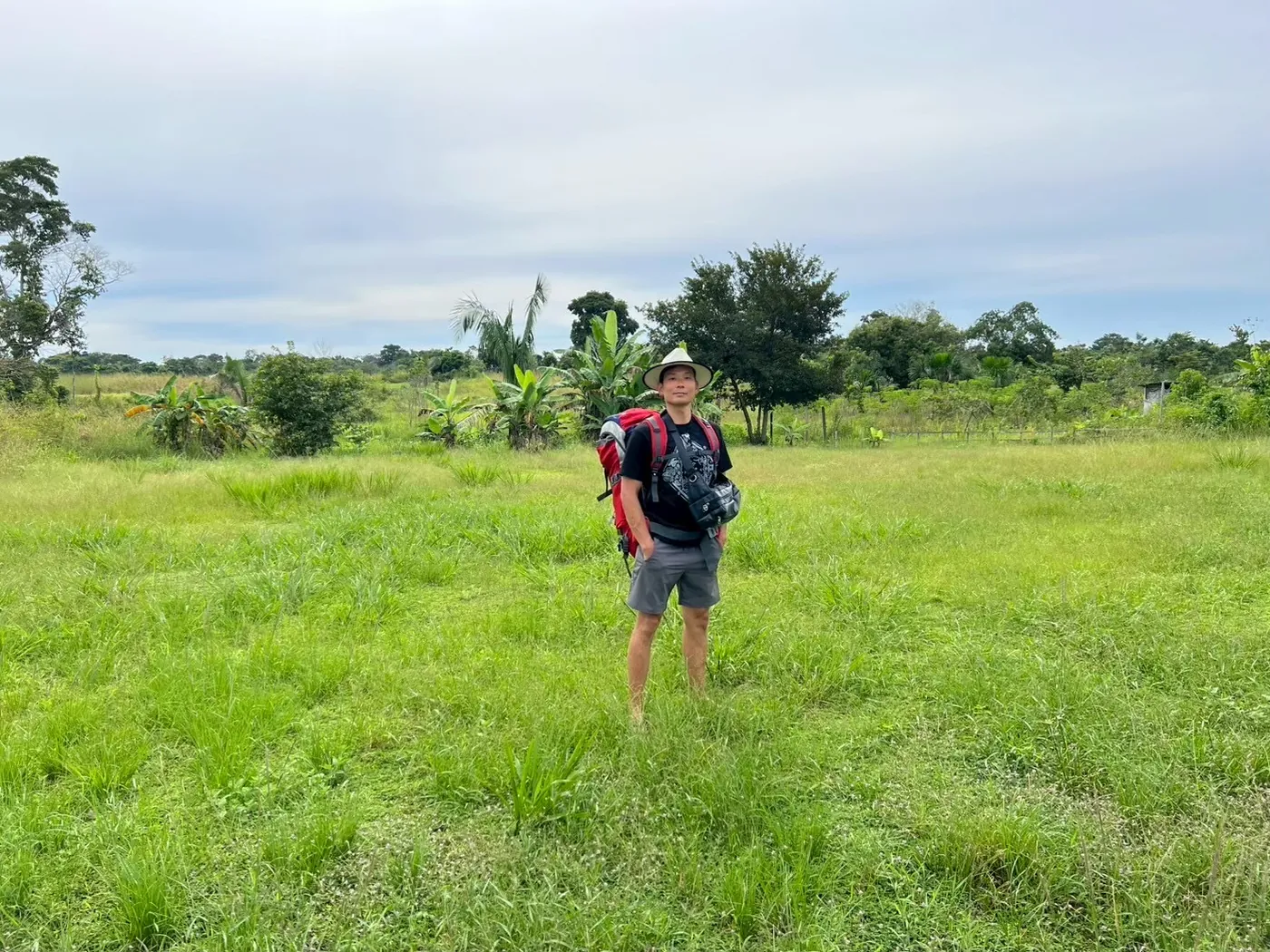
Foreign countries are interesting — once I knew that, I went around the world with a single backpack.
“If I want to go somewhere, I go.” That was who I was supposed to be.
And yet that time my reflex was to give up. “I want to go. But there is no way a company employee gets a whole month off…”
It felt deeply wrong.
“I don’t want a life where I can’t go where I want. There has to be a way.”
However long I turned it over, there was only one answer. “Start my own company.” If I were the one in charge, making the time and the money to travel would depend on my ability alone.
And so I decided to go out on my own, and founded the real estate company I run today.
Chapter Two: In search of a secret trick for making a company succeed
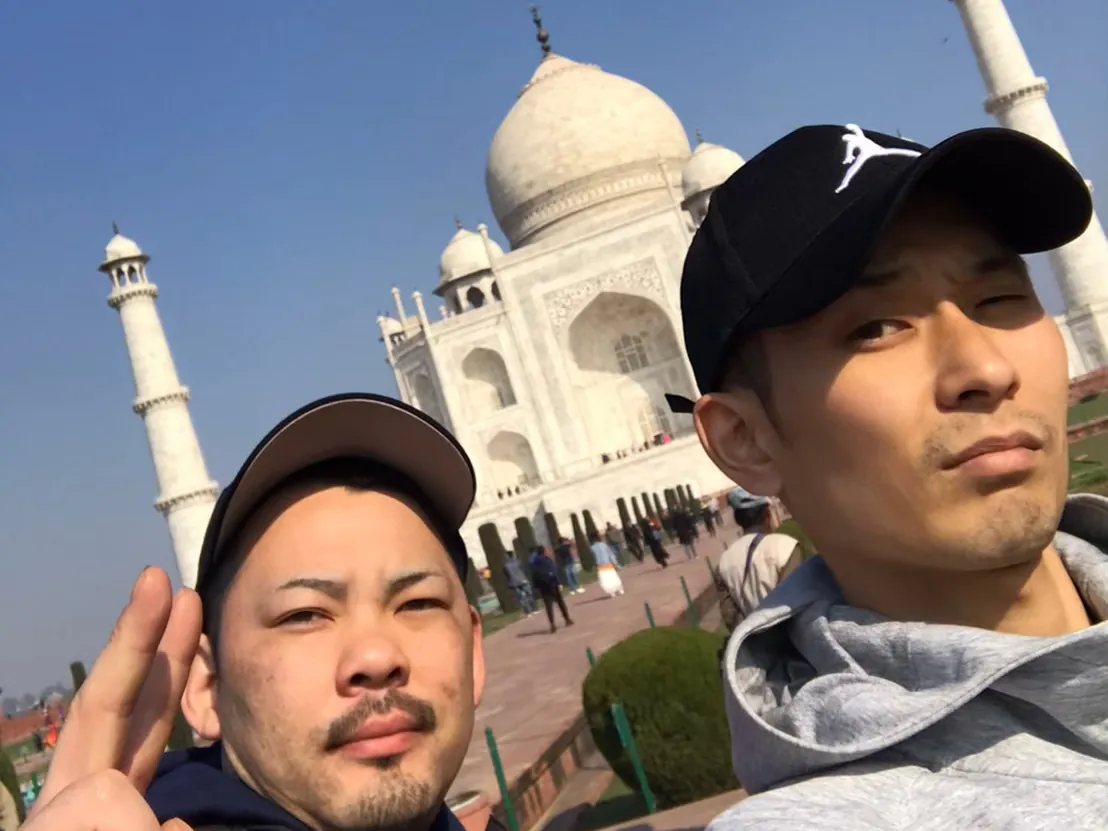
To start a real estate company in Japan you need a broker’s license, and it takes about two months from application to approval once the company is registered. I decided to use those empty two months to fly to the Amazon with Ryoma.
Amazonian healers — shamans — are said to combine many different plants to heal sickness of the body and of the mind. Sickness is rooted in the heart; heal the heart and the body follows. That approach interested me deeply. I had also heard that some people, through training under a shaman, are given wisdom for living in the real world, and, as a brand-new company owner, I was quietly hoping I might come away with something like a secret trick for making a company succeed.
The Amazon is vast. It spans nine countries, and somewhere between 350 and 400 tribes live within it. Among them, the ones who still carry the old shamanism into the present are the Shipibo of Peru.
In recent years, mostly among Westerners, word has spread that their shamanism is effective for depression and trauma, and commercial retreats you can book online have multiplied. But what I wanted was the real thing — shaman training you cannot book online, somewhere a phone has no signal.
We decided to head for Pucallpa, a town on the Ucayali River in eastern Peru, and to ask around there until we found a real Amazonian shaman.
Chapter Three: He had seen everything in this world
Peru is far, and there are no direct flights.
We went by way of Vancouver, Mexico City, and Lima, staying a while in each, and reached Pucallpa a week later.
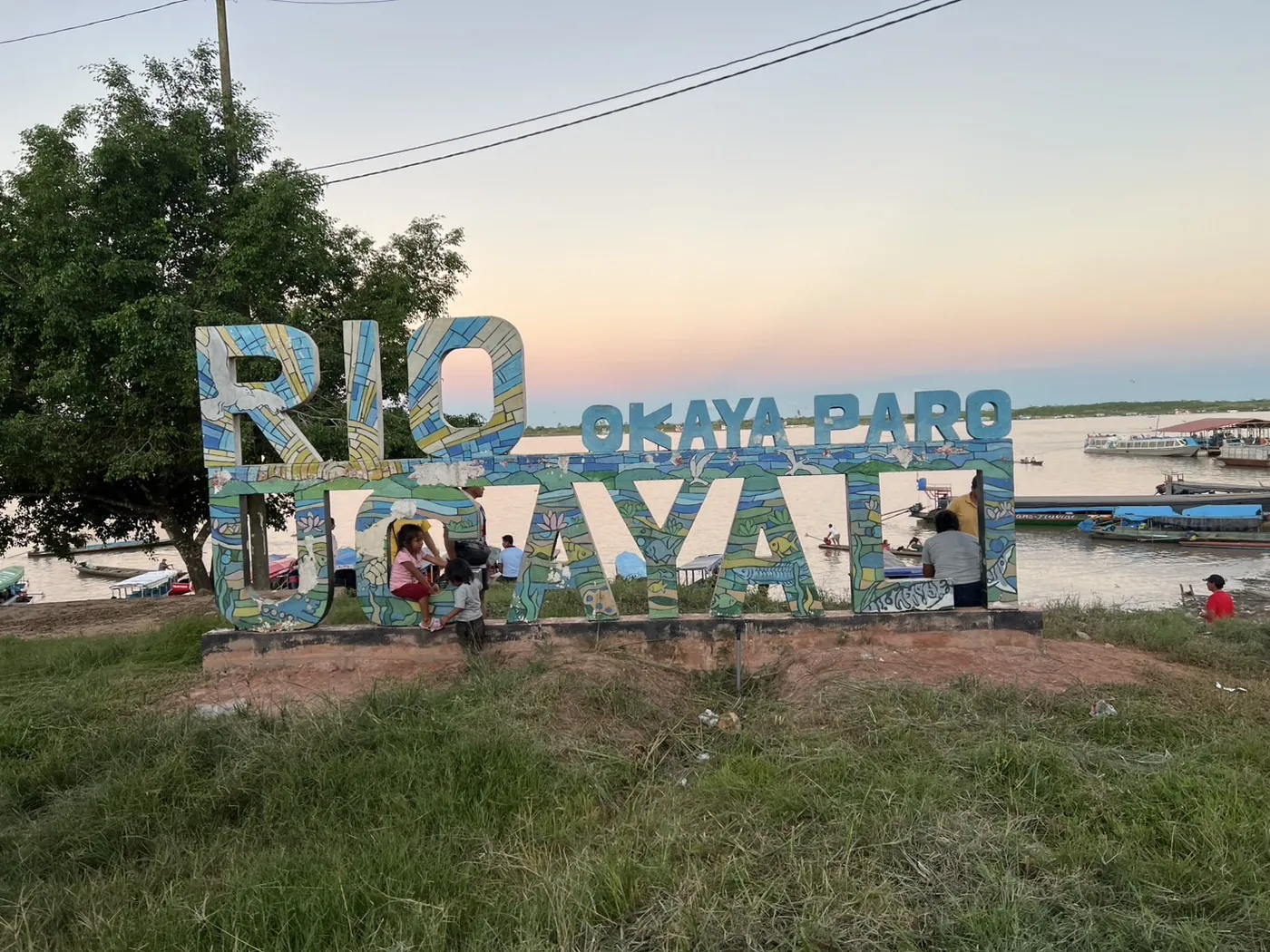
What surprised me once we started asking around was the purity of the people there.
I have traveled through about forty countries and seen all kinds of people. Even compared with all that, the people of Pucallpa struck me as remarkably pure, as if betraying themselves or anyone else were simply not in them. What surprised me most was how universal it was. Every single person we met dealt with us with a plainly pure heart.
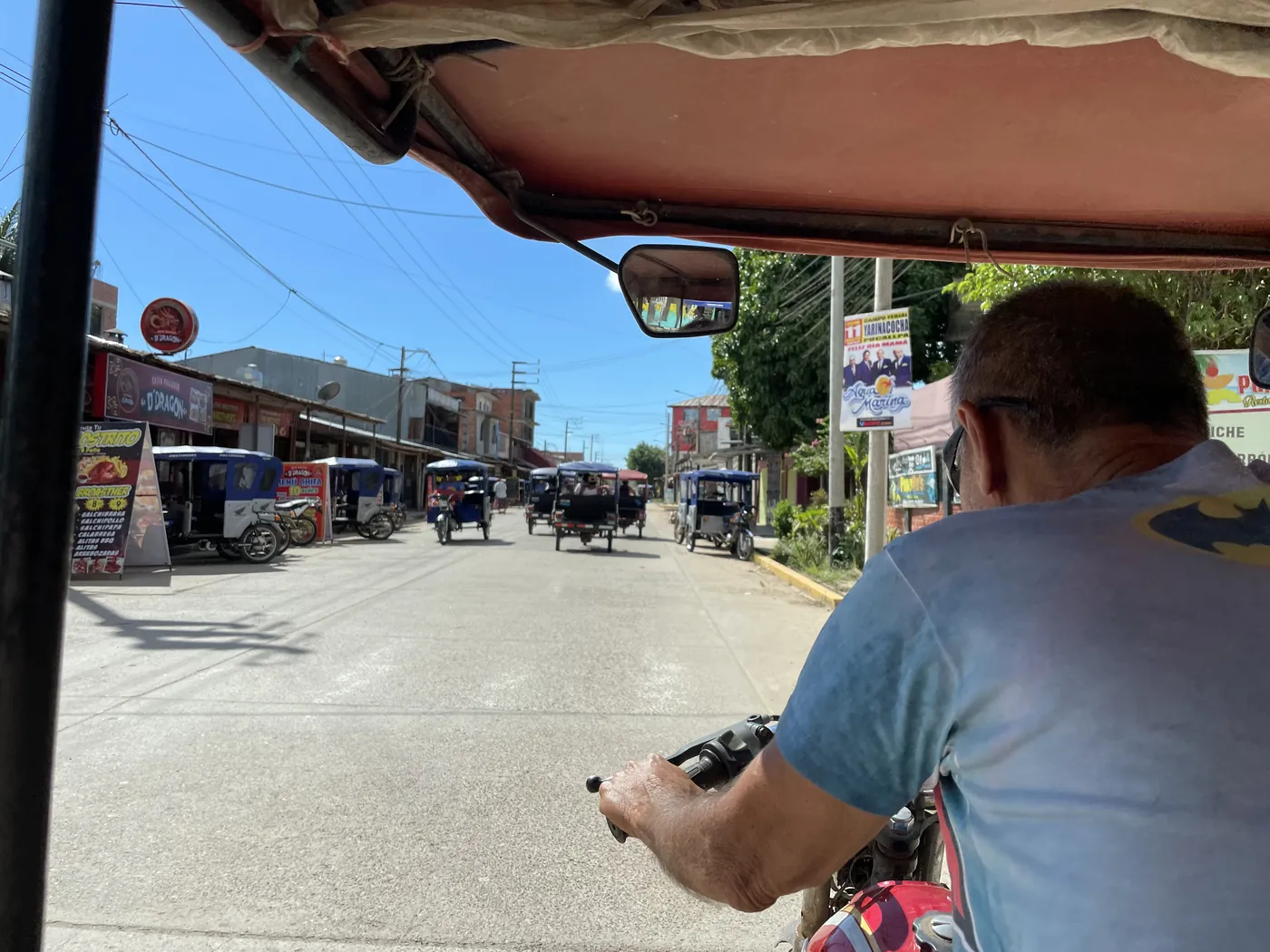
Most of the men in that town go off for a few days or a few weeks of shaman training in their twenties. One mototaxi driver told me that during his training he had “seen everything in this world.”
After a few days of asking around we knew which village to head for, and we got into a boat.
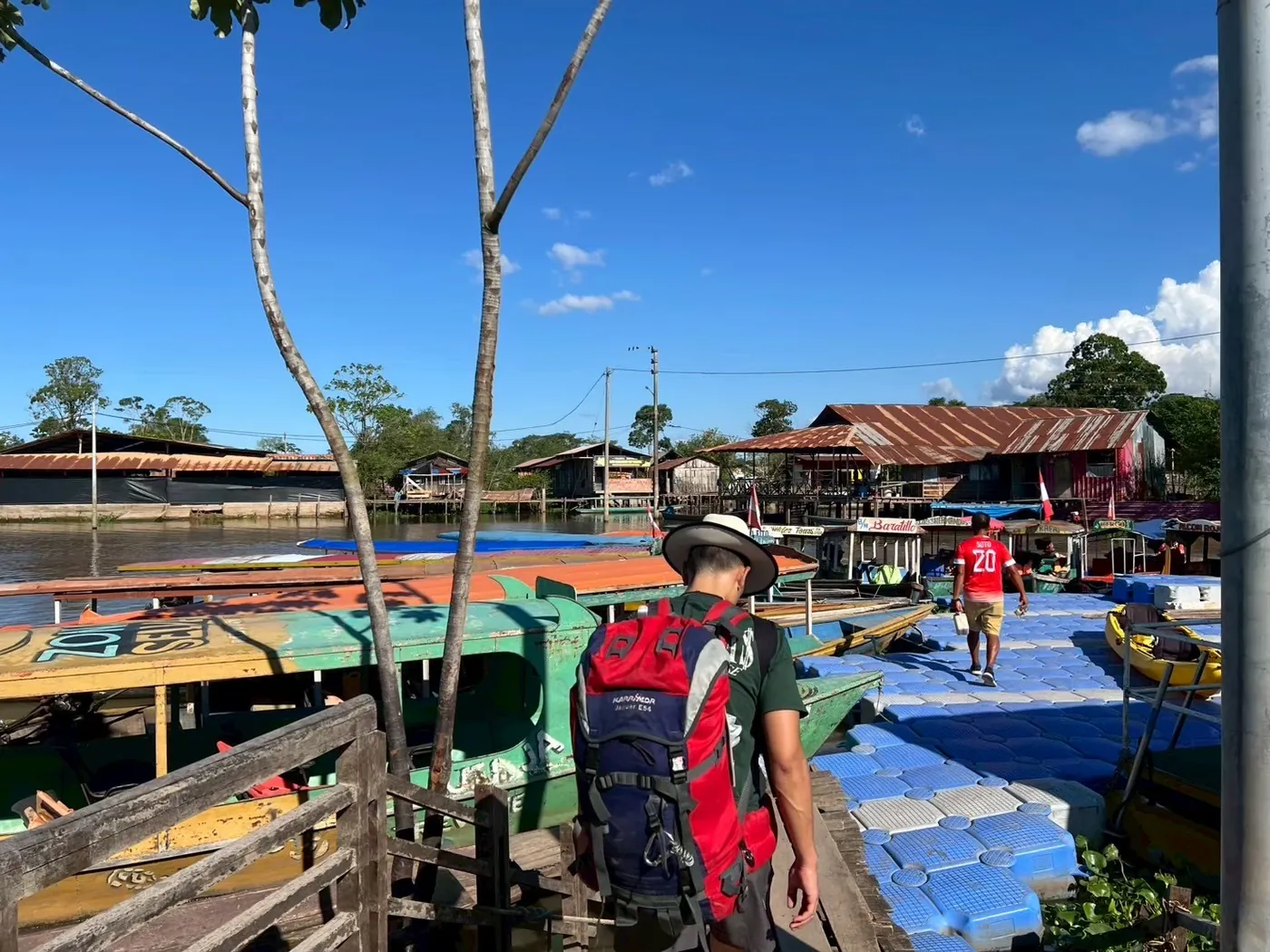
Chapter Four: Will we really meet a shaman?
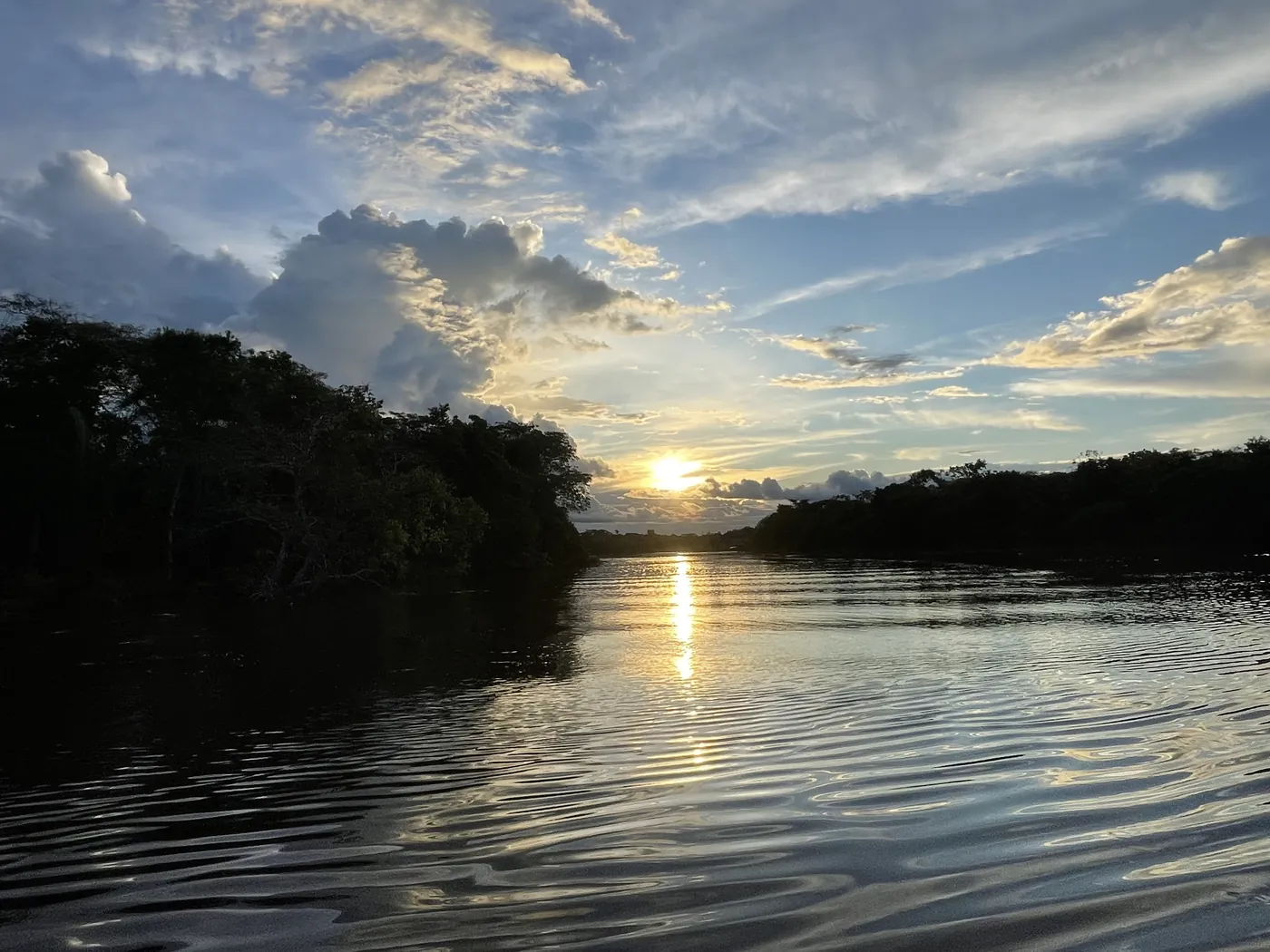
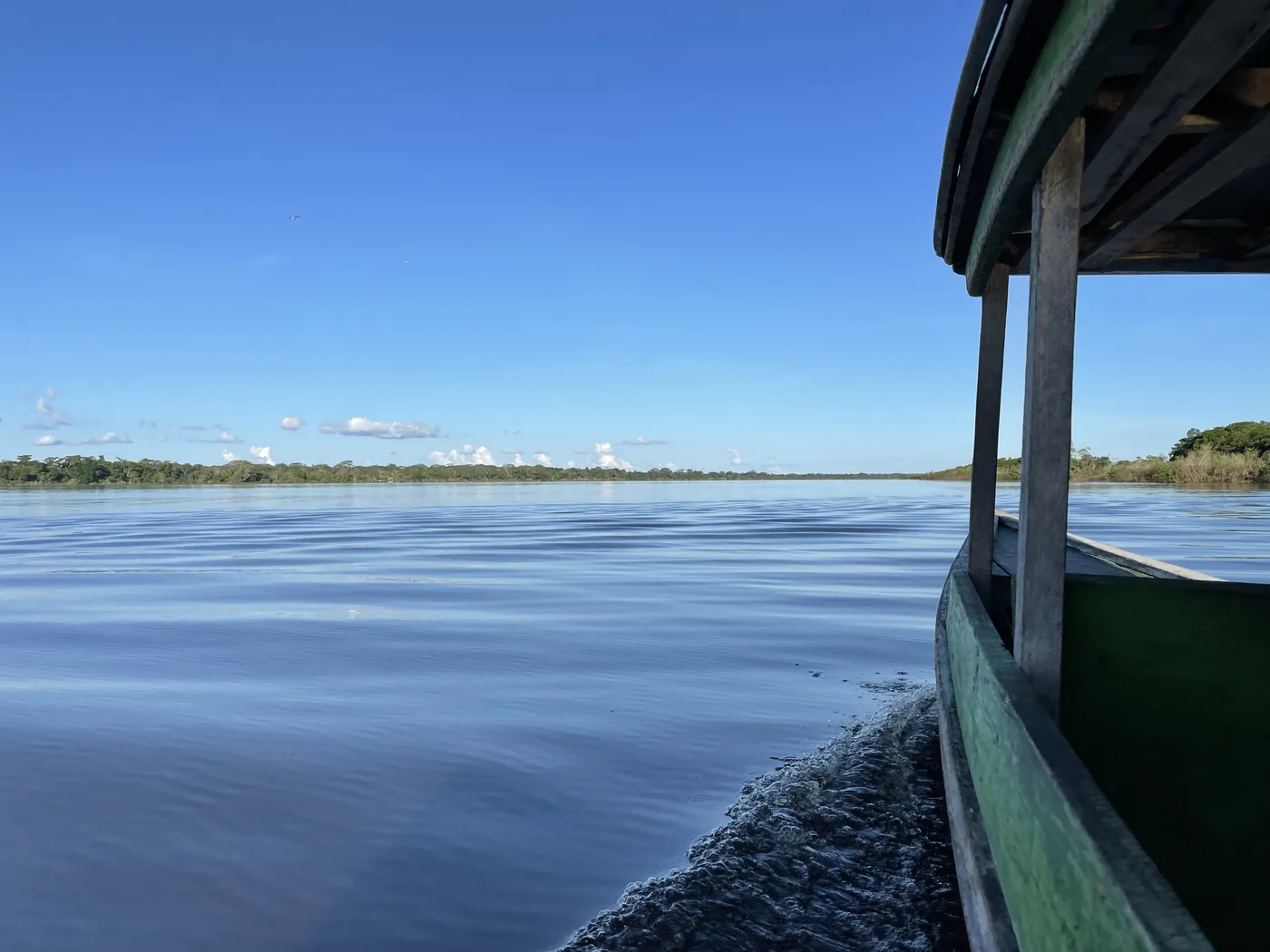
The boat pushed on along the Ucayali.
“So I’ve really come to the Amazon.”
“Are we actually going to meet a shaman out here…”
In that particular tension where anticipation and unease were mixed together, the boat reached the village landing. From there we asked our way from villager to villager, and at last we came to the shaman.
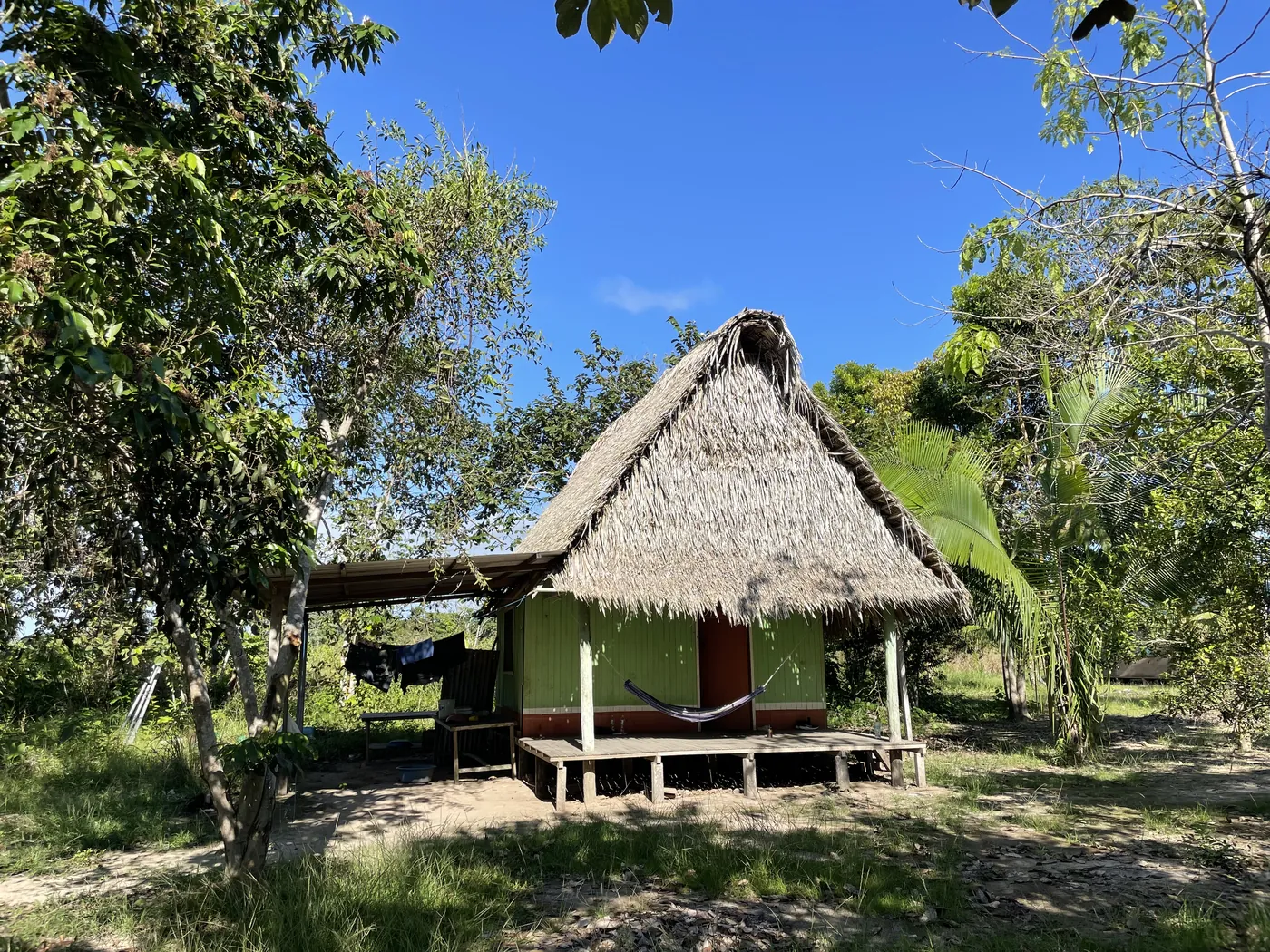
The retreat where we stayed had no electricity.
It was not that they were too poor for it. The power lines came close to the village, but they knew that life without electricity was the richer life, and they had chosen not to connect. The world changes so quickly; that I had arrived while the old way of living was still intact felt like a miracle, and I was truly grateful for it.
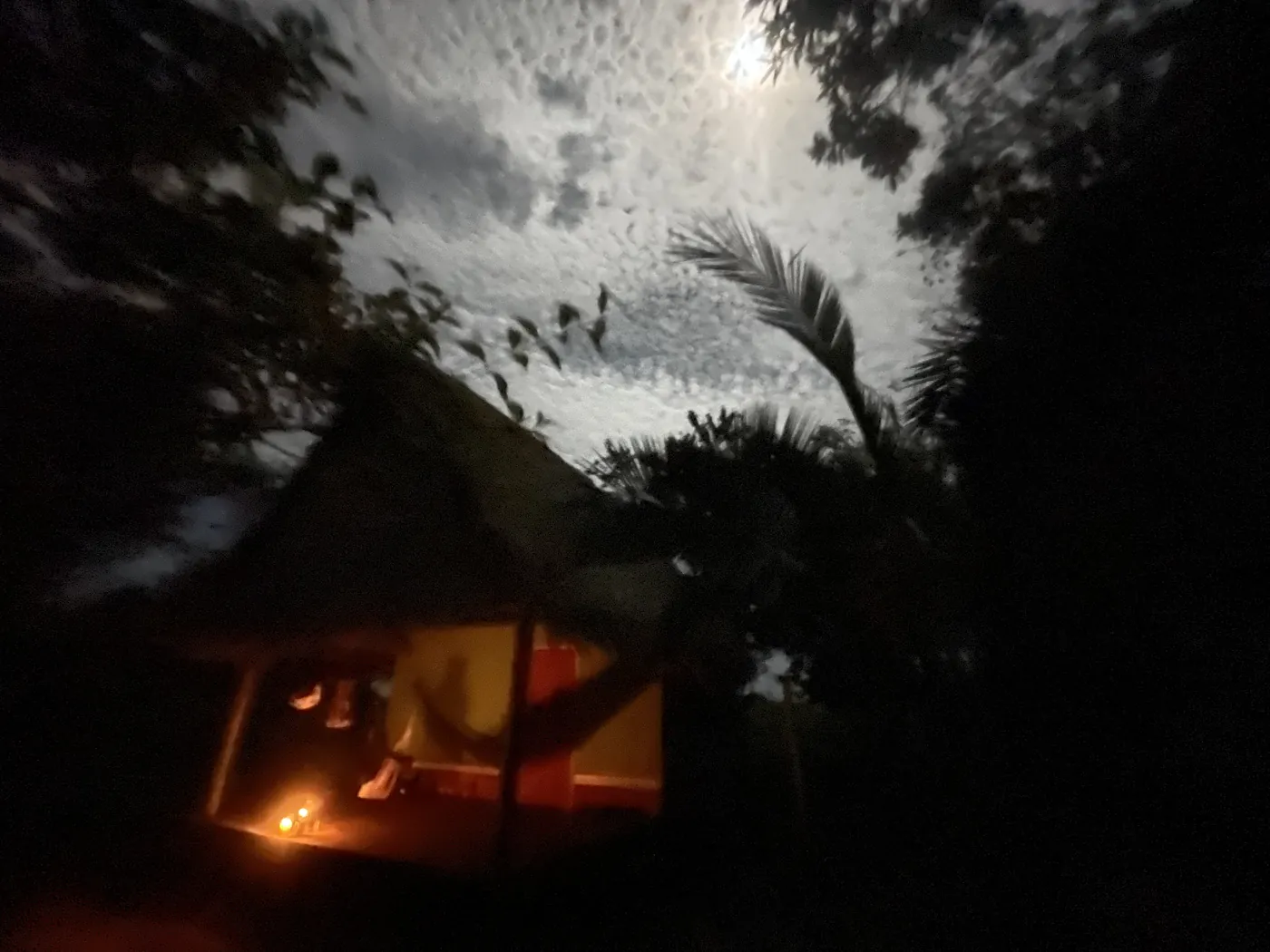
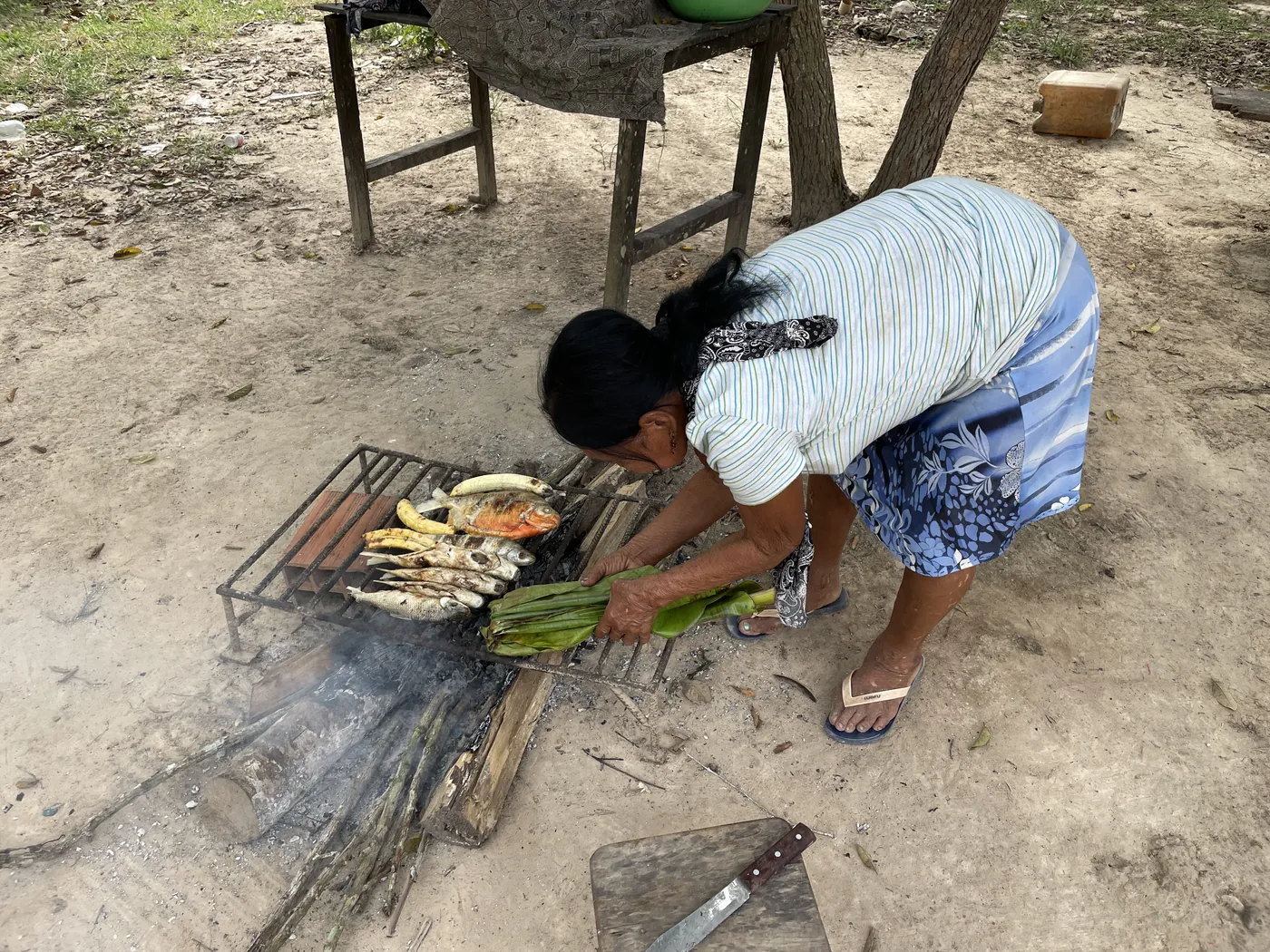
The week we spent there.
- Groundwater drawn up from a well
- Food we prepared ourselves, from free-range chickens and fish out of the river
- No television, no phones, and because of that, conversation and smiles everywhere
Precisely because it was simple, every day was full of a happiness that felt fundamental to being human.
Chapter Five: A fierce detox, and the awakening a plant can bring
In the end, I never came away with any “secret trick for making a company succeed.”
They let us stay in that place for a week, and we went through the shaman’s ceremony three times.
It would have been worth going even if I had had to quit my job for it. What exactly was so good about it is hard to put into words. Or perhaps it is not the kind of thing you put into words at all.
In Shipibo shamanism you do not put something into the body, the way Western medicine does. You get everything bad out of it. The fierce detox they teach is very simple and very strong.
Somewhere in all of it, an overwhelming feeling rose up in me.
It was a deep gratitude toward the people close to me.
I remember how fiercely it came — gratitude for the many people waiting for me in Japan, my wife first among them, and for women in particular.
How precious the everyday is. I do not know why the feeling came pouring out. I only know that my heart filled with gratitude, and then more gratitude came, this time for the place that had made me feel it. Perhaps this is what happiness for a human being actually is.
Wanting to give something back to the people who had welcomed us so warmly, I cleaned the toilet every morning and picked up trash. The habit of picking up trash that I still keep up in Japan began there.
In the end, I never came away with any “secret trick for making a company succeed.”
While I was in the jungle, I had completely forgotten that kind of worldly desire.
Epilogue: To where everything begins
Ryoma and I went back from the village to Pucallpa, took a boat on to Iquitos, and tried other traditional treatments there — kambo and rapé.
After that intense stretch in the Amazon, whatever doubt I had about the power that plants hold was gone for good.
Plants are not simply a source of nutrients and vitamins.
They hold a great power, one that can change even a person’s consciousness and state of mind—
Leaving the Amazon, I would meet a mysterious plant called yerba mate — on the far side of the world from Japan.